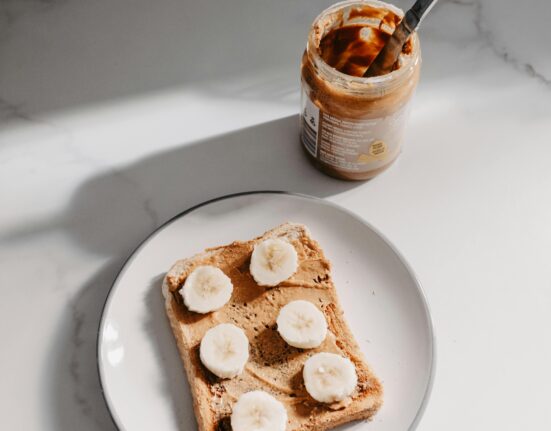

Some of the most ordinary foods in your kitchen might be doing more for your health than you realize. It’s easy to overlook their benefits when they don’t come with flashy labels or trendy reputations. But hidden in plain sight, these everyday staples are quietly packing a serious nutritional punch. Curious which ones could step up your health game? Let’s take a closer look.
The Unexpected Power of Potatoes
Potatoes—your classic kitchen staple—are far more than just a versatile comfort food. This humble vegetable is an unsung hero in the world of nutrition. Packed with essential vitamins, minerals, and other health benefits, potatoes deserve a spot on your “must-eat” list for more reasons than one. Let’s break down just how powerful this everyday food truly is.
Rich Source of Potassium
When someone says “potassium,” you probably think of bananas. But did you know that potatoes can outshine bananas in this department? A medium-sized potato with the skin contains about 620 milligrams of potassium, which is more than a banana. Considering that potassium is crucial for maintaining healthy blood pressure, proper muscle function, and preventing cramps, potatoes are a nutritional powerhouse hiding in plain sight.
Potassium also supports your heart by aiding in the regulation of electrical signals, which helps maintain a steady heartbeat. So, next time you’re reaching for a snack post-workout or looking to support your cardiovascular health, the trusty potato might just be your new best friend. Here’s more on the health benefits of potatoes.

Photo by Nataliya Vaitkevich
Packed with Vitamins and Fiber
The nutritional value of potatoes doesn’t stop at potassium. They are also a rich source of vitamin C, which supports your immune system and helps your body absorb iron. In fact, a potato provides about 30% of the recommended daily intake of vitamin C. If that wasn’t enough, they’re loaded with vitamin B6, which is key for brain health and producing red blood cells.
But what often gets overlooked is the fiber content, especially if you eat potatoes with their skin. A skin-on potato offers about 2 grams of fiber, aiding in digestion, stabilizing blood sugar levels, and keeping you full longer. Fiber is the unsung hero for gut health, and potatoes deliver without any fuss. Explore more potato nutrition facts here.
Easy to Incorporate Into Any Meal
One of the many reasons potatoes are loved universally? They pair well with just about anything. Whether you’re whipping up a hearty breakfast or a satisfying dinner, potatoes can easily find their way into the mix. Here are a few meal ideas to inspire you:
- Breakfast: Dice them into hash browns or roast them with olive oil and herbs for a savory breakfast side.
- Lunch: Boil them and toss in a light mustard vinaigrette for a healthy potato salad.
- Dinner: Go classic with baked potatoes or add them to stews and curries for extra bulk and flavor.
You can bake, boil, steam, fry, or mash potatoes—it’s hard to find another food with so much versatility. However, for the healthiest options, stick to cooking methods like baking or steaming that don’t add excessive fat or oil. Learn more recipes and tips here.
Potatoes may seem simple, but they punch well above their weight when it comes to nutrition and versatility. Don’t overlook their potential next time you’re planning a meal.
The Nutritional Secret of Pumpkin Seeds
Pumpkin seeds, often overshadowed by their larger counterparts in the nutrition world, pack a surprisingly robust punch of health benefits in their modest little shells. These small, crunchy seeds are nutritional all-stars, offering a range of essential nutrients and impressive health advantages. Whether you enjoy them as a snack or sprinkle them on your meals, pumpkin seeds should unquestionably earn a spot in your kitchen.

Photo by Vural Yavas.
High in Magnesium
Magnesium is one of those minerals people don’t think about often, but it’s crucial for your body to function properly. This nutrient plays a key role in bone development, muscle function, and energy production. Strong bones? Check. More energy to power through your day? Double check.
Pumpkin seeds stand out as one of the best plant-based sources of magnesium, offering about 37% of the recommended daily intake in just one ounce. That means a small handful is all you need to give your body a boost. Having trouble sleeping? Magnesium has been linked to better sleep quality, making pumpkin seeds a smart option for an evening snack. Learn more about magnesium and pumpkin seeds here.
A Plant-Based Protein Punch
If you’re looking for a way to sneak more protein into your diet—especially if you’re vegetarian or exploring meat alternatives—pumpkin seeds are a fantastic option. They’re nearly 25% protein by weight, offering around seven grams of protein per ounce. And unlike some other plant-based proteins, they’re a complete protein source. This means they contain all nine essential amino acids your body needs but can’t produce on its own.
Say goodbye to chalky protein powders and hello to a natural, nutrient-dense alternative. Add a handful of pumpkin seeds to smoothies, yogurt bowls, or salads for an easy protein upgrade. Explore more about the protein content in pumpkin seeds.
Loaded With Antioxidants
Antioxidants are like tiny superheroes for your body. They help combat free radicals, those microscopic troublemakers that can lead to cell damage and inflammation. Pumpkin seeds are naturally loaded with antioxidants like carotenoids and vitamin E. This not only helps protect your cells but can also boost immunity and reduce inflammation in the body.
A diet rich in antioxidants is linked to lower risks of chronic diseases such as heart disease and diabetes. Incorporating even a small serving of pumpkin seeds into your diet could give your immune system the extra support it needs, especially during flu season. For a deeper dive into how antioxidants in pumpkin seeds improve your health, check out this resource.
Pumpkin seeds might be small, but they’re a nutritional powerhouse worth celebrating. Whether you’re looking to strengthen your bones, up your protein game, or shield your body with antioxidants, these unassuming seeds might just be the health hero you didn’t know you needed.
The Hidden Goodness of Cabbage
Cabbage often gets labeled as “just a filler” in meals, but it’s so much more than that. This affordable vegetable is an absolute nutritional gem, delivering impressive benefits for your bones, immune system, digestion, and wallet. Let’s uncover how cabbage is quietly doing wonders for your health.
Rich in Vitamin K and C
Cabbage might not look like much sitting on the grocery shelf, but it’s bursting with vitamin K and vitamin C. Vitamin K is essential for blood clotting and bone health—it’s like the unsung hero keeping your skeleton strong and sturdy. In fact, just one cup of shredded cabbage provides over 50% of your daily Vitamin K needs. Meanwhile, vitamin C acts like the body’s defense shield. It helps boost your immune system, supports iron absorption, and acts as an antioxidant to fight cell damage.
Adding cabbage to your meals is a simple way to support your long-term health. Whether it’s warding off colds or boosting bone strength, these vitamins have your back (and your bones). Learn more about cabbage’s incredible nutrients.

Photo by Calvin _Cowakces
Supports Digestive Health
When it comes to keeping your gut happy, cabbage is a rockstar. It’s packed with fiber, which helps keep things moving smoothly through your digestive system. Fiber is key for preventing constipation, but its benefits don’t stop there—fiber also feeds the healthy bacteria in your gut, creating a balance that supports better digestion and even impacts mental health.
Cabbage is also rich in water, which works hand-in-hand with fiber to prevent bloating and promote regularity. A balanced gut isn’t just about avoiding indigestion—it plays a major role in nutrient absorption and immune function. Add cabbage to your diet, and your gut will thank you. Check out more about cabbage’s role in digestive health.
Affordable and Adaptable
In a world where grocery bills seem to climb every week, cabbage offers a bright spot for your budget. This vegetable is not only cheap but also incredibly versatile. It holds its own in countless dishes, whether raw, cooked, or fermented.
Some easy ways to enjoy cabbage include:
- Raw: Toss shredded cabbage into coleslaw, salads, or wraps for a crunchy, refreshing pop.
- Cooked: Add it to soups, stir-fries, or casseroles for extra texture and nutrition.
- Fermented: Ever tried sauerkraut or kimchi? Not only are they delicious, but they also enhance cabbage’s gut-boosting benefits by introducing probiotics.
With its mild flavor and ability to adapt to nearly any cuisine—Asian, European, or beyond—cabbage is an absolute workhorse in the kitchen. Plus, it keeps well in the fridge for weeks, making it a practical choice for meal planning. Learn more creative ways to cook with cabbage.
Don’t overlook this humble veggie. Adding it to your plate is an easy win for your health, your wallet, and your taste buds.
Surprising Benefits of Plain Yogurt
Plain yogurt might not grab your attention the way trendy smoothie bowls or colorful snacks do, but this humble food deserves a spotlight in your diet. Packed with nutritional goodness, plain yogurt offers benefits that go well beyond its delicious creaminess. Here’s what makes it worth adding to your daily meals.
Probiotics for Gut Health
Probiotics are the healthy bacteria naturally found in many types of yogurt, and they work wonders for your digestive system. These tiny microorganisms help restore balance in your gut by increasing the “good” bacteria, which can improve digestion, reduce bloating, and even enhance your immune system. A healthier gut doesn’t just mean fewer stomach issues—it can also have a positive ripple effect on your overall well-being, including better mental clarity and energy levels.
The best part? Not all yogurts are created equal. Look for labels that mention “live and active cultures” to ensure you’re reaping the probiotic benefits. Incorporating plain yogurt into your diet is like giving your digestive system a natural tune-up. Learn more about probiotics in yogurt and why they matter.

Photo by Christopher Gaines
A Protein-Rich Snack
If you need a versatile, high-protein snack, plain yogurt stands out as an easy choice. Just a single serving typically contains 10–20 grams of protein, depending on the type. This makes it an excellent option for muscle repair after workouts and maintaining energy throughout the day. Protein is also key to feeling full and satisfied, which can help curb unnecessary snacking.
Greek yogurt, in particular, is a standout. It’s strained to remove whey, giving it more protein per bite and a creamier texture. Whether you’re a fitness enthusiast or simply looking for a nourishing snack to keep you going, plain yogurt is a nutrient-dense way to meet your protein needs. Explore the protein benefits of yogurt here.
Easily Customizable
Plain yogurt is like a blank canvas for culinary creativity. Its tangy flavor pairs beautifully with a variety of toppings, transforming it from a simple snack into a nutrient-packed powerhouse. Here are just a few ideas to get you started:
- Fresh Fruits: Add sweetness and extra fiber with berries, chopped apples, or mango.
- Nuts and Seeds: Sprinkle on almonds, walnuts, chia seeds, or sunflower seeds for crunch and healthy fats.
- Natural Sweeteners: A drizzle of honey or a pinch of cinnamon elevates the flavor without overpowering it.
- Savory Additions: For a unique twist, mix in cucumbers, dill, and garlic for a quick tzatziki-inspired dip.
The best part? You control the ingredients, so you can skip the added sugars and artificial flavors found in many pre-flavored yogurts. A little effort makes plain yogurt a satisfying, health-enhancing treat you’ll actually look forward to eating. Discover even more ways to customize your yogurt.
Don’t be fooled by its simplicity—plain yogurt is a nutritional all-star that works quietly behind the scenes, supporting your gut, muscles, and daily energy. It’s a classic that never goes out of style, and with endless ways to enjoy it, boring is the last thing it’ll ever be.
Nutritional Punch in Beets
Beets are more than just colorful additions to your salad—they’re packed with nutrients that support your heart, athletic performance, and even your body’s natural detox system. Their benefits have earned them a reputation as one of the most versatile superfoods. Let’s dig into what makes beets a nutritional powerhouse.
Rich in Nitrates for Heart Health
Beets are loaded with nitrates, a naturally occurring compound your body converts into nitric oxide. What does that mean for you? Nitric oxide helps relax and widen blood vessels, improving blood flow. This process can lead to lower blood pressure and reduced strain on your heart.
Consuming beets regularly, whether roasted, juiced, or raw, can significantly benefit cardiovascular health. Studies suggest that daily intake of beet juice may help manage hypertension and improve overall heart function. If you’re looking for an easy way to give your heart some love, beets are a simple addition to your diet. Learn more about how beets benefit your heart.

Photo by Polina Tankilevitch.
Boosts Athletic Performance
If you’re into fitness or lead an active lifestyle, beets might just become your new best friend. Their nitrate levels don’t just help with heart health—they also improve oxygen delivery to your muscles. This translates to improved stamina and endurance during workouts or any physically demanding activities.
Research backs this up: athletes who drink beetroot juice perform better during endurance exercises like cycling or running. The science is clear—beets help maximize efficiency, allowing you to push just a little farther, whether you’re training for a marathon or tackling a spin class. Discover how beetroot juice boosts exercise performance.
Supports Detoxification
Detoxification isn’t about fad cleanses or extreme diets—it’s something your body does naturally, and beets assist perfectly in this process. Beets contain a compound called betaine, along with essential antioxidants and fiber, which support the liver in breaking down toxins. Think of them as a gentle nudge helping your body do what it already knows how to do best.
Adding beet juice or roasted beets to your meals can promote healthier liver function and aid in removing unwanted waste, leaving your body refreshed and balanced. They’re particularly useful in diets aiming to reduce inflammation and oxidative stress. Learn more about how beets support detoxification and liver health.
From bolstering your heart to powering your workouts and even aiding detoxification systems, beets pack more than just great flavor—they deliver a powerful mix of health benefits you can’t ignore.
The Quiet Power of Peas
Peas are often treated as a humble side dish, but there’s more to them than meets the eye. These tiny green gems are incredibly versatile and pack a surprising nutritional punch, making them a valuable addition to any diet. Let’s explore why peas deserve a spotlight on your plate.
A Source of Plant Protein
For anyone following a plant-based diet or simply looking to diversify their protein sources, peas deliver high-quality protein. In fact, just one cup of peas contains around 8 grams of protein. That might not sound like much at first, but it’s comparable to a glass of milk or an egg—making peas a solid contender for meeting your daily protein needs.
Beyond quantity, pea protein is efficient because it contains essential amino acids, which help to repair tissues, build muscle, and provide energy. Whether you’re vegan, vegetarian, or omnivorous, peas can easily step in as a plant-based option to keep your meals balanced. Learn more about the value of pea protein here.
Rich in Vitamins and Minerals
Peas are small, but their nutrient content is impressive. They’re packed with vitamins and minerals that play key roles in maintaining your health:
- Vitamin K: Supports bone health and helps with proper blood clotting. A cup of peas contains about 25% of your daily recommended intake.
- Folate: Provides energy by aiding in red blood cell production and is especially important for pregnant individuals. Peas supply nearly 16% of your daily needs.
- Manganese: Boosts your metabolism and supports cellular function. This mineral is the unsung hero to keeping your body running smoothly.
Peas are also loaded with antioxidants like vitamin C, which can strengthen the immune system and combat free radicals. Adding them to your meals is a simple, tasty way to support long-term wellness. Dive deeper into the nutritional benefits of peas.

Photo by Gunshe Ramchandani
Perfect for Meal Prep
One of the greatest benefits of peas is how easy they are to include in meals. Whether fresh, frozen, or even canned, they’re a kitchen staple that requires minimal effort. Their naturally sweet, mild flavor pairs well with a variety of dishes.
Here are some simple and tasty ways to add peas to your cooking without overcomplicating things:
- Soups: Blend peas into creamy soups or add them to brothy ones for a pop of color and sweetness.
- Pastas: Toss peas into any pasta dish to give it a nutritious, hearty upgrade.
- Salads: Mix peas into grain bowls, potato salads, or green salads—they add texture and a burst of flavor.
Not only are peas versatile, but because they can be cooked quickly—even straight from frozen—they’re a perfect choice for last-minute meal prep. For more inspiration, check out these 26 recipes that showcase frozen peas.
From their protein power to their vitamin-packed benefits and culinary adaptability, peas clearly do more for your plate than you might expect. Make this unassuming ingredient a regular feature in your meals—you won’t regret it!
Conclusion
The power of these everyday foods lies in their simplicity and impressive nutritional benefits. From potatoes and pumpkin seeds to yogurt and peas, these ingredients show how easily accessible nutrition can be. You don’t need exotic superfoods to improve your health—just make better use of what’s already in your kitchen.
Consider adding just one or two of these foods to your meals this week and notice the difference they can make. Small, consistent changes often lead to the biggest health improvements over time.
What’s stopping you from giving these low-profile, high-benefit foods the attention they deserve? Start experimenting today, and you might find they not only elevate your diet but also your overall well-being.