

You got the recommended hours, yet your alarm still feels cruel. If you wake up tired most mornings, the problem often isn’t the number on the clock.
In many cases, the issue is sleep quality, timing, or hidden disruptions during the night. That means there are often clear, practical reasons behind the grogginess, and some of them are fixable.
The first step is to stop treating all eight-hour nights as equal.
Eight Hours Doesn’t Always Mean Restorative Sleep
Your body doesn’t use sleep like a stopwatch. It moves through repeating stages, including light sleep, deep sleep, and REM sleep. When those stages get broken up, you can spend eight hours in bed and still wake up feeling wrung out.
That can happen without your noticing. A noisy room, stress, pain, reflux, snoring, or even a late drink can cause brief awakenings. You may not remember them, but your brain does. According to Cleveland Clinic’s 2026 review, fragmented sleep is one of the most common reasons people feel tired after a full night.

Timing matters, too. If your alarm goes off in the middle of deeper sleep, you can feel foggy for 30 minutes or more. That’s called sleep inertia. It’s more likely when your schedule changes from day to day or when you stay up late and still wake early for work.
Your internal clock also plays a role. If you’re a natural night owl but force an early bedtime, those eight hours may land at the wrong part of your body’s rhythm. In that case, the problem isn’t only “how much” you sleep. It’s also when you sleep.
If you regularly wake up tired, look for broken sleep and poor timing before you assume you need more hours.
Everyday Habits That Can Leave You Groggy
Many morning problems start the night before. Caffeine can linger for hours, so an afternoon coffee may still affect sleep at bedtime. Alcohol can make you sleepy at first, but it often leads to lighter, less steady sleep later in the night. Heavy meals, late workouts, and phone use under bright light can do the same.
Stress is another big one. You might fall asleep on time, yet your brain stays half-alert. That can reduce deep sleep and increase early waking. If you go to bed mentally revved up, sleep may look fine on paper but feel poor in real life.
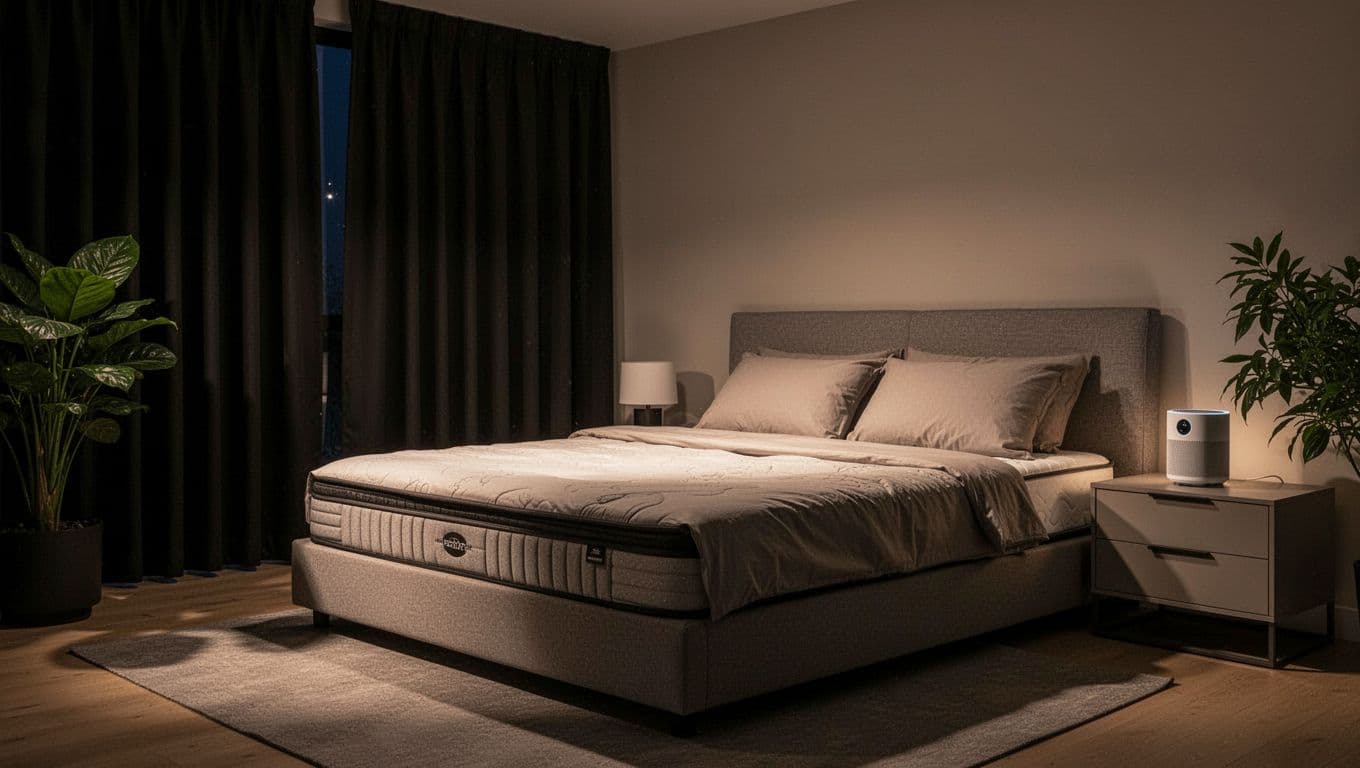
Your bedroom can also work against you. A room that’s too warm, bright, noisy, or cluttered with screens makes solid sleep harder. Harvard Health’s guide to better sleep recommends a cool, dark, quiet room and a steady sleep schedule because those basics still matter.
A few common patterns often show up together. You scroll in bed, drift off later than planned, wake once or twice, then hit snooze three times. None of those problems seems dramatic on its own. Together, they can leave you feeling as if you barely slept.
This is why “eight hours” can be misleading. Time in bed is only the rough outline. What happens inside those hours is what decides how you feel in the morning.
When Waking Up Tired Can Point to a Health Issue
Sometimes the cause isn’t lifestyle alone. Sleep apnea is one of the best-known examples. It can cause repeated pauses in breathing that break up sleep all night long. People with sleep apnea often snore loudly, gasp, wake with a dry mouth, or get morning headaches. Mayo Clinic’s sleep apnea page describes these warning signs clearly.
Other health issues can also leave you drained after a full night. Insomnia doesn’t only mean trouble falling asleep. It can also mean waking often, waking too early, or sleeping lightly enough that you never feel restored. Restless legs syndrome, low iron, chronic pain, reflux, thyroid problems, anemia, mood disorders, and some medications can all interfere with sleep quality.
That doesn’t mean a medical condition is the likely answer for everyone. Still, it helps to notice patterns. If your fatigue is new, getting worse, or paired with other symptoms, it’s worth checking in with a clinician.
A few signs deserve more attention: persistent daytime fatigue, loud snoring, gasping during sleep, morning headaches, or sudden changes in energy. Those symptoms don’t prove a diagnosis, but they do make a medical review more reasonable. A clinician may suggest a sleep study, a medication review, or blood tests for issues such as iron deficiency or thyroid problems.
A Simple 2-Week Reset for Better Sleep Quality
Before you overhaul your life, try a short reset. Small changes often tell you a lot.
- Wake up at the same time every day, including weekends.
- Get outside for morning light within an hour of waking.
- Stop caffeine after lunch, and avoid alcohol close to bedtime.
- Build a 30 to 60-minute wind-down routine with low light and no doomscrolling.
- Keep your bedroom cool, dark, and quiet.
- Track snoring, awakenings, headaches, naps, and how you feel by midday.
Stick with that plan for two weeks. If you start waking more alert, your habits were likely part of the problem. If nothing changes, or daytime sleepiness starts affecting work or driving, it’s smart to get help.
Eight hours is a useful average, not a promise. When you wake up tired, the real issue is often sleep quality, body-clock timing, or a treatable health problem.
Most people don’t need more time in bed first. They need better sleep inside the hours they already have.