Ever feel like you’re doing everything right, but the scale or your fitness progress isn’t reflecting your hard work? Hidden calories could be the culprit. These sneaky calories, often overlooked in everyday foods, can quietly add up and stall your goals. From that “healthy” smoothie to a handful of nuts, even small missteps can throw off your efforts. The good news? Once you know where they hide, you can take back control. Let’s uncover these surprises so you can stay on track and see the results you’ve been working for.
Understanding Hidden Calories
Most of us are mindful of what we eat, paying attention to portion sizes and labels. But what about the ingredients or practices we might overlook? Hidden calories can sneak into your diet without notice, creating roadblocks to your weight loss or fitness goals.
What Are Hidden Calories?
Hidden calories are those sneaky, overlooked additions to meals and snacks that can significantly increase your intake without you even realizing it. These aren’t obvious sources like chips or desserts; they’re often found in items you’d never second-guess.
For instance:
- Packaged Foods: Many pre-packaged meals or snacks include added sugars, oils, or high-calorie flavor enhancers that don’t immediately stand out.
- Oils and Butters: Cooking with oils or butter can add hundreds of calories without you noticing unless you measure them carefully.
- Sauces and Dressings: A seemingly innocent drizzle of salad dressing or a few spoonfuls of pasta sauce can pack a calorie punch, particularly with creamy or sugary versions.
Even beverages can be loaded with extra calories. Think those coffeehouse frappes are harmless? They’re often dessert in disguise. If this feels relatable, know you’re not alone; identifying these stealthy additions is the first step to taking control.

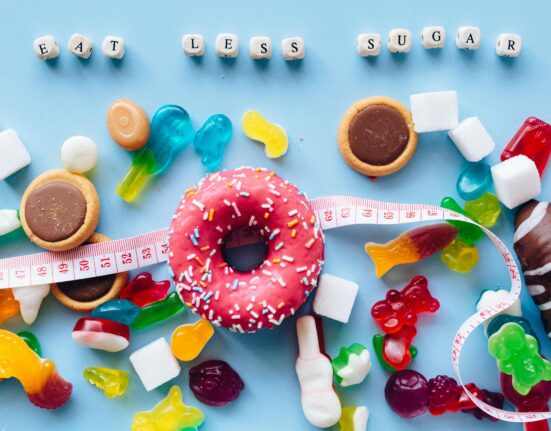
Photo by Brett Jordan
To learn more about spotting hidden calories, this guide on uncovering hidden calories can be helpful.
Why Do They Matter?
You might think those small calorie sources are no big deal, but they add up fast. Just an extra 100 calories every day could result in a 10-pound weight gain over a year. Many of us unknowingly consume more than we realize because of these hidden factors, which can significantly stall progress.
It’s not just weight—consistently consuming hidden calories can affect your energy levels, leave you feeling sluggish, or even lead to the dreaded “why can’t I lose weight” spiral. Tracking and being mindful of your overall intake—including those overlooked calories—is key to staying aligned with your goals.
For example, let’s compare:
- Using 1 tablespoon of olive oil for cooking (120 calories) versus a non-stick spray (virtually 0 calories)—a minor change but a significant calorie saver over time!
- Swapping your creamy salad dressing (150+ calories for two tablespoons) with a splash of balsamic vinegar (just 10-20 calories) makes a big difference without compromising flavor.
Keeping an eye on these seemingly insignificant details can provide aha moments, allowing you to recalibrate and stay on track.
Curious about the broader impacts? Here’s a detailed exploration of how hidden calories can hinder weight loss to help strengthen your understanding.
Common Foods with Hidden Calories
You might think you’re being careful with your diet, but it’s surprising how easily sneaky calories find their way into our meals. Everyday foods, beverages, and even “healthy” snacks often hide loads of calories that can derail your progress without you noticing. Let’s break it down.
Dressings and Sauces
A salad sounds like a healthier choice—until you top it with creamy dressings or load it with sauces that can rival the calorie count of a burger. Many dressings, like ranch or Caesar, pack more than 150 calories per serving, and pasta sauces or gravies with cream, oil, or butter are often no better. Even condiments like mayonnaise or barbecue sauce can carry hidden sugars and fats that stack up quickly.
What to Watch For:
- Creamy Dressings: Ranch, blue cheese, and thousand island are particularly dense in calories.
- Oil-Based Sauces: Such as pesto or vinaigrettes, can add hidden fats if portions go unchecked.
- Sugary Additions: Barbecue sauces or some ketchups are loaded with sugar that boost calorie content.
Switching to lighter options like homemade vinaigrettes or mustard can easily save you hundreds of calories. Even simple swaps like salsa in place of rich condiments can make a world of difference. Need insight into calorie-laden dressings? This detailed guide to high-calorie dressings and sauces explains it well.
Beverages
If you’re sipping on specialty lattes or enjoying “healthy” smoothies, you might be unknowingly drinking dessert. One medium café mocha or caramel latte, for instance, can have upwards of 300 calories—equal to a slice of pie. Smoothies aren’t guilt-free either; while fruit offers nutrients, added sugars or syrups often turn them calorie-rich. And don’t even get started on happy hour drinks—alcoholic beverages like margaritas can hit 500 calories per glass.
Underrated Calorie Bombs:
- Specialty Coffee Drinks (e.g., caramel macchiato, mocha lattes).
- Bottled Smoothies with Added Sugars.
- Popular Cocktails (e.g., margaritas, piña coladas, or sweetened mixers in alcoholic beverages).
Making tweaks like skipping whipped cream, using sugar-free syrups, or just opting for black coffee can help manage the calories. For more info, check this review of hidden beverage calories.
Snack Foods
Granola bars and trail mixes present themselves as health snacks but can deceive you. Many granola bars are loaded with sugars or syrups to make them taste better, while trail mix may combine salted nuts, chocolate candies, or coated fruit, skyrocketing their calorie count. “Low-fat” labeled items aren’t always better either; companies often replace fat with sugar or other high-calorie additives to improve flavor.
Common Offenders to Look For:
- Granola Bars with Excess Sugars (e.g., corn syrup or honey).
- Trail Mix with Candy or Sweetened Dried Fruits.
- “Low-Fat” Snacks (check the labels—sugar often takes the place of fats).
Reading the fine print on nutrition labels matters. Pay attention to serving sizes, and consider snacks like raw nuts or air-popped popcorn when hunger strikes. This article breaks down ‘healthy’ snacks that may mislead.
Restaurant Meals
Eating out can really tip the scale—literally. Many restaurant meals are designed to be extra flavorful, often involving large quantities of butter, oil, or salt. Even seemingly innocuous choices like baked fish or grilled veggies might be basted with fat. Plus, the oversized portions many restaurants offer can be double—even triple—the calories of a home-prepped serving.
Key Pitfalls to Be Aware Of:
- Portion Size: A single entrée might serve 2–3 recommended portions.
- Butter and Oil Use: Hidden fats in cooking add hundreds of calories.
- Sides and Condiments: From garlic bread to secret sauces, sides often push your meal into calorie overload.
Splitting meals, requesting sauces on the side, or sticking to grilled, steamed, or baked dishes can help you enjoy eating out while keeping calories in check. A closer look into restaurant portion sizes and hidden extras offers more practical tips.

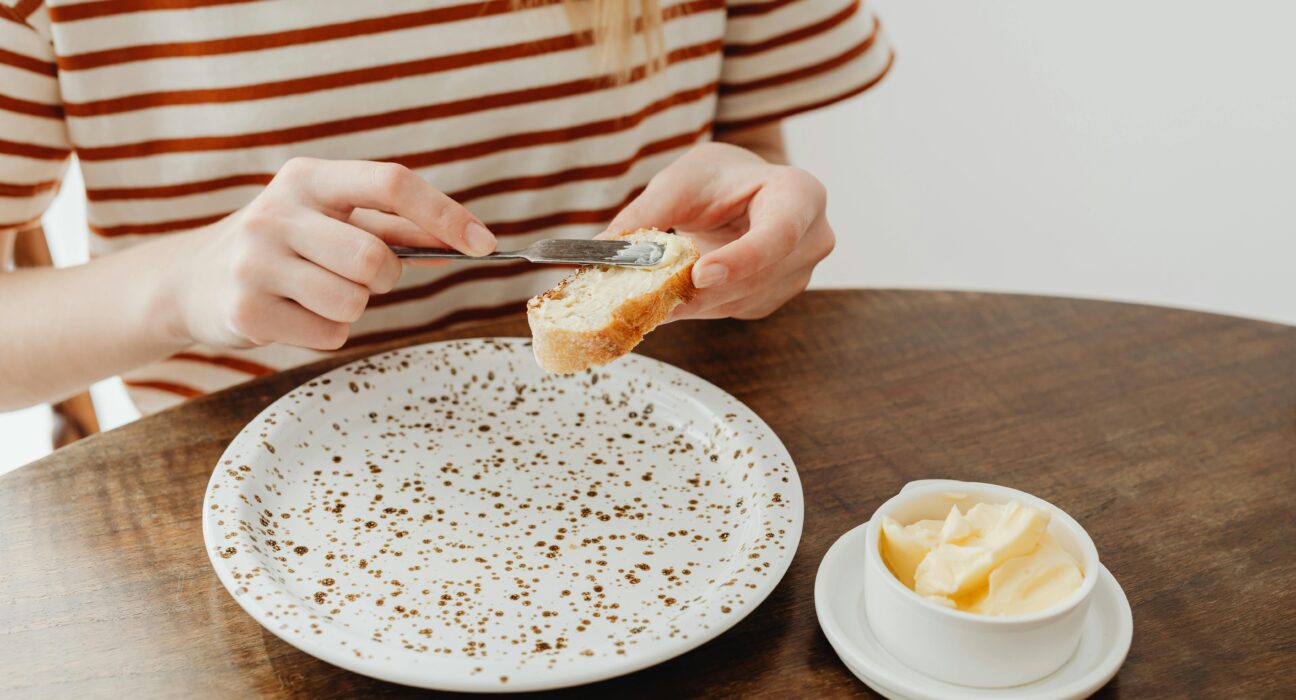
Photo by Polina Tankilevitch
Awareness is key when it comes to these hidden calories. By paying attention and making simple dietary adjustments, you can avoid the pitfalls and stay on track with your goals.
How to Spot and Avoid Hidden Calories
It’s easy to let hidden calories sneak into your daily diet. They’re masters of disguise, often hiding in foods that seem innocent or even “healthy.” The best defense is awareness. By mastering the art of identifying and avoiding hidden calories, you can simplify your approach to eating and make progress toward your health goals with confidence.
Read Labels Closely
Food labels are your best friend when it comes to uncovering hidden calories. Packaging often makes bold claims like “low-fat,” “natural,” or “healthy” to attract attention, but that doesn’t always mean the product is low in calories. Manufacturers commonly replace fats with sugars, salts, or other calorie-dense ingredients to maintain flavor.
Here’s what to look for:
- Check the serving size: Calories listed are often for petite portions that don’t match how much you actually eat.
- Examine the ingredients list: Added sugars, oils, and syrups can quickly escalate the calorie count.
- Be cautious of “low-fat” products: If the label shows extra sugar, it’s not as healthy as it sounds.
Making it a habit to read the fine print can change the game in how you select food. Want to sharpen these label-reading skills? Here’s a helpful guide on identifying hidden calories in food packaging.

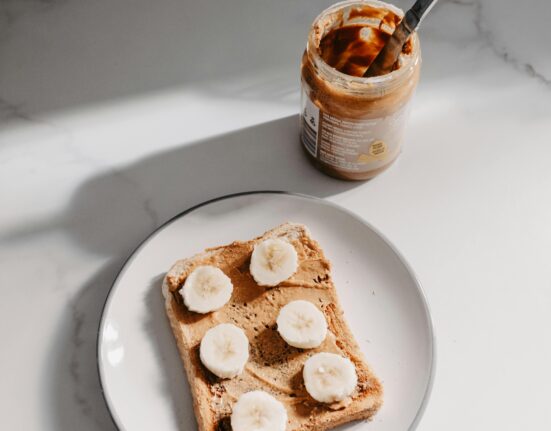
Photo by Spencer Stone
Be Wary of Portion Sizes
Portion sizes aren’t as innocent as they seem. Even foods packed with nutrients—like nuts or avocado—can derail your progress if eaten in large quantities. A big handful of almonds, for instance, could push 250 calories, while a carefully measured serving is much lower in energy.
Here’s how portion control can help you manage hidden calories:
- Invest in a kitchen scale: Measuring portions takes the guesswork out of eating.
- Use smaller plates and bowls: This psychological trick makes smaller portions feel more satisfying.
- Check serving suggestions: Snacks and pre-packaged foods often overstay their welcome when eaten mindlessly.
Even a small adjustment brings surprising results. Empower yourself by being mindful of what makes it onto your plate.
Prep Meals at Home
Cooking at home is one of the best ways to sidestep hidden calories and stay in control. Restaurant meals may taste great, but they’re often loaded with extra butter and oils to amp up the flavor. Similarly, many ready-to-eat meals come with sugar or salt “boosts” that aren’t reflected in their healthy appearance.
Why is homemade better?
- You avoid excess oils, sugars, and preservatives.
- You decide flavor enhancers like herbs and spices, rather than heavy cream or high-calorie dressings.
- Controlling portions is much easier, too.
You don’t have to cook elaborate meals. Keeping it simple—like grilled chicken, steamed vegetables, and fresh fruit—is enough. Curious about saving calories while cooking? This resource on reducing hidden fats and sugars in homemade meals offers actionable tips.
Track Everything You Eat
Think of food tracking as shining a flashlight into the dark corners of your diet. The process helps pinpoint where hidden calories might be coming from. You’d be surprised by how quickly small snacks or extra condiments add up when you write them down.
How to get started:
- Try food tracking apps like MyFitnessPal or Cronometer. These tools are precise and user-friendly.
- Keep a simple food diary: Jot down what you eat and drink every day—don’t forget sauces and dressings.
- Regularly review patterns: Are there repeat offenders in your daily intake?
Being consistent with tracking even for a short period unlocks insights that can save hundreds of calories per day. If you’d like additional guidance, here are more ideas about using trackers to spot hidden calories.
Why Awareness Leads to Better Results
When it comes to tackling hidden calories, awareness is your best tool for success. Paying attention to the “invisible” adds up to a deeper understanding of your eating habits, which snowballs into better decision-making. By being mindful, you create small but tangible shifts that make a lasting impact. Let’s break down why an aware approach changes the game.
Creating Mindful Habits
Awareness acts as the foundation for mindful eating, allowing you to recognize patterns, make informed choices, and avoid impulsive decisions. It’s not about strict diets or obsessing over every bite—it’s about paying attention to why and what you consume. Think of it like budgeting: if you know where your money is going, it’s easier to save. Similarly, when you’re mindful of hidden calories in oils, dressings, or even snacks, you’re inherently taking control of your health.
Key strategies to develop mindful habits:
- Pause Before You Eat: Ask yourself if that drizzle of sauce is necessary.
- Prioritize Balance: Focus on building meals where unprocessed foods outweigh calorie-dense extras.
- Reflect Often: Keep tabs on how certain food choices make you feel post-meal—energetic or sluggish?
Gradually, being mindful stops feeling like effort and becomes second nature. It’s not about deprivation—just awareness. For more, visit this article about exercise awareness and its impact.
Long-Term Benefits of Tracking
Tracking what you eat isn’t about being perfect; it’s about being consistent. Knowing where hidden calories sneak in, like syrups in your coffee or butter used in restaurant meals, saves you frustration and lets you make thoughtful reductions. Over time, even minor adjustments compound into meaningful progress that’s sustainable instead of short-lived.
Why tracking hidden calories is worth it long-term:
- Improved Awareness of Habits: Patterns emerge when you log consistently—maybe it’s the handful of trail mix adding 200 extra calories.
- Better Maintenance: Understanding portions and calorie density equips you to maintain weight loss rather than yo-yo dieting.
- Custom Adjustments: Tracking teaches you what swaps work for your lifestyle: balsamic vinegar for creamy dressing or sparkling water over soda.
Over time, the small wins from consistent tracking build momentum. And it’s more than just weight—it’s confidence in your decisions. For further insight, explore why tracking calories provides long-term benefits.
Awareness isn’t just knowing—it’s acting with intention. Whether by tracking or simply questioning everyday habits, being present with your choices positions you for success, one decision at a time.
Conclusion
Hidden calories are everywhere, but they don’t have to derail your progress. By paying attention to portions, food labels, and cooking methods, you can stay ahead of sneaky calorie traps. Small changes—like lighter dressings, mindful portion sizes, or skipping that extra syrup in your coffee—can add up to big results over time.
It’s not about perfection but creating habits that align with your goals. Awareness is the key that puts you in the driver’s seat. Take a closer look at your daily choices, tweak where needed, and trust the process. Your progress is within reach.
What’s your next step to tackle hidden calories? Share your thoughts or favorite tips!