
If you sleep enough and still feel like your battery never charges, a hormonal imbalance in your endocrine system may be part of the story. Not the whole story, but enough to matter.
Some hormonal fatigue causes are easy to miss because they look like stress, aging, or poor sleep. The key is the pattern, not one symptom by itself. That makes it easier to see why a medical review can help.
Key Takeaways
- Persistent fatigue despite rest often signals hormonal imbalances in thyroid, cortisol, insulin, or sex hormones, which show up in symptom patterns like cold hands and constipation (hypothyroidism), post-meal crashes (insulin resistance), or night sweats and poor sleep (perimenopause).
- “Adrenal fatigue” isn’t an official diagnosis, but symptoms may stem from chronic stress, HPA axis issues, poor sleep, or true adrenal insufficiency—clinicians check morning cortisol and history first.
- Hormone bloodwork like TSH, free T4, A1C, or targeted tests works best paired with your symptom story, sleep review, and checks for other causes like nutrient deficiencies or sleep apnea.
- Track fatigue triggers, sleep, cycles, and crashes for two weeks before seeing a clinician to spot patterns and guide evaluation—don’t push through as “normal aging.”
When fatigue may be more than being busy
Everyone feels worn out sometimes. Chronic fatigue is different. It is persistent tiredness that lingers for weeks, shows up despite rest, or comes with body changes you can’t explain.
Hormones help control metabolism, blood sugar, sleep, body temperature, mood, and stress response. When one system shifts, low energy often appears first. Still, fatigue can also come from anemia, depression, infection, sleep apnea, medication side effects, chronic pain, or nutrient deficiencies.
A single symptom rarely points to one hormone problem. Cold hands plus constipation may suggest one path. Night sweats plus broken sleep may suggest another. Post-meal crashes tell a different story again.
Fatigue is a symptom, not a diagnosis. When it keeps building, the cause deserves a real workup.
Fatigue that is severe, worsening, or paired with chest pain, fainting, shortness of breath, or major weight loss needs prompt medical care. For everyone else, the most useful next step is to look at the hormone patterns clinicians often check first.
The hormonal fatigue causes doctors often check first
Thyroid hormones can slow, or speed up, your system
Your thyroid produces thyroid hormones that work like a thermostat for metabolism regulation. When thyroid hormones run low, as in hypothyroidism, the body often slows down. That can mean heavy tiredness, brain fog, constipation, dry skin, hair changes, and feeling cold. As Cleveland Clinic’s thyroid fatigue overview explains, both underactive and overactive thyroid disorders can leave you exhausted.
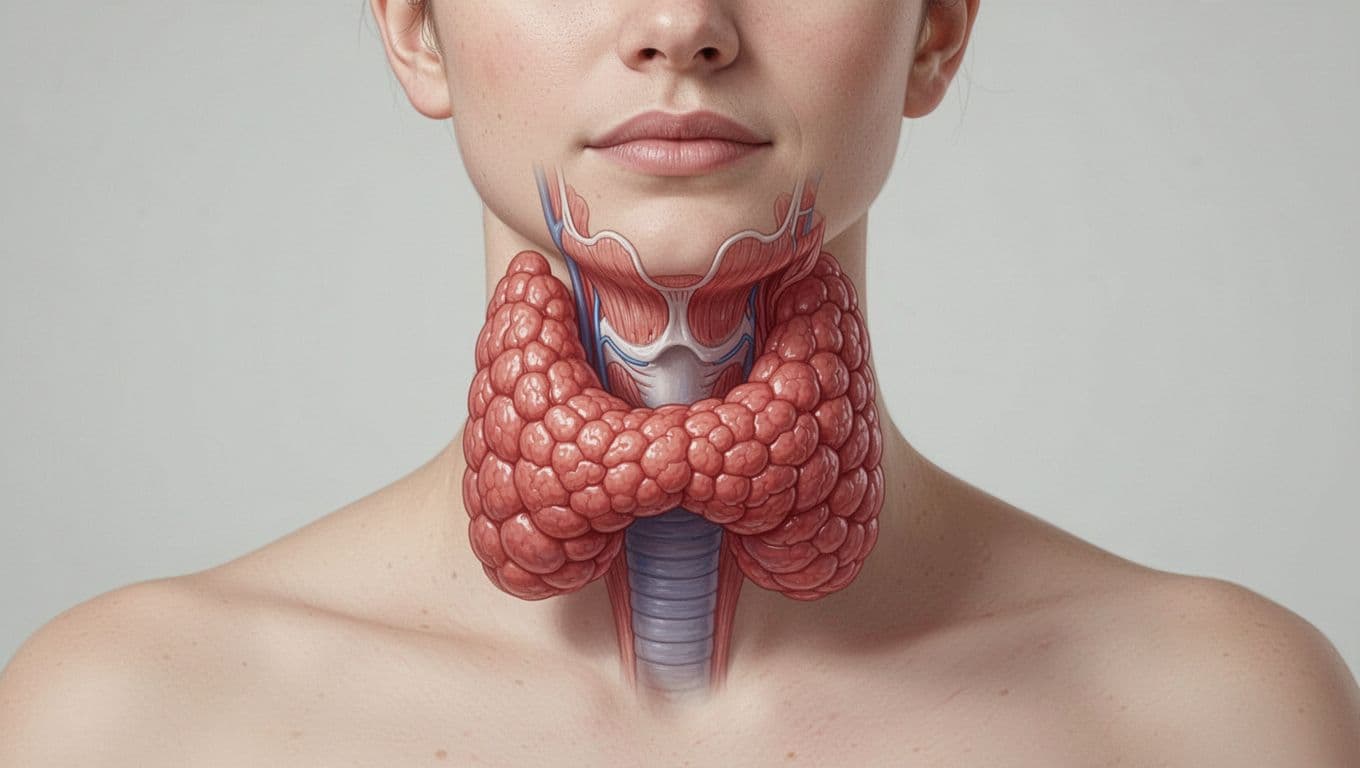
An overactive thyroid may seem like it should raise energy through excess thyroid hormones. In real life, it can cause poor sleep, muscle weakness, anxiety, palpitations, and heat intolerance. That constant overdrive can leave you drained. Clinicians often start with TSH and free T4, then add other tests when symptoms or history point that way.
Cortisol problems are more complex than social media makes them sound
Cortisol levels, the primary stress hormone produced by the adrenal glands under regulation of the pituitary gland, help you wake up, handle stress, and keep blood sugar steady between meals. Trouble starts when stress, illness, sleep loss, or a true adrenal disorder changes that balance. Low cortisol levels can cause fatigue, dizziness, nausea, weight loss, and low blood pressure.
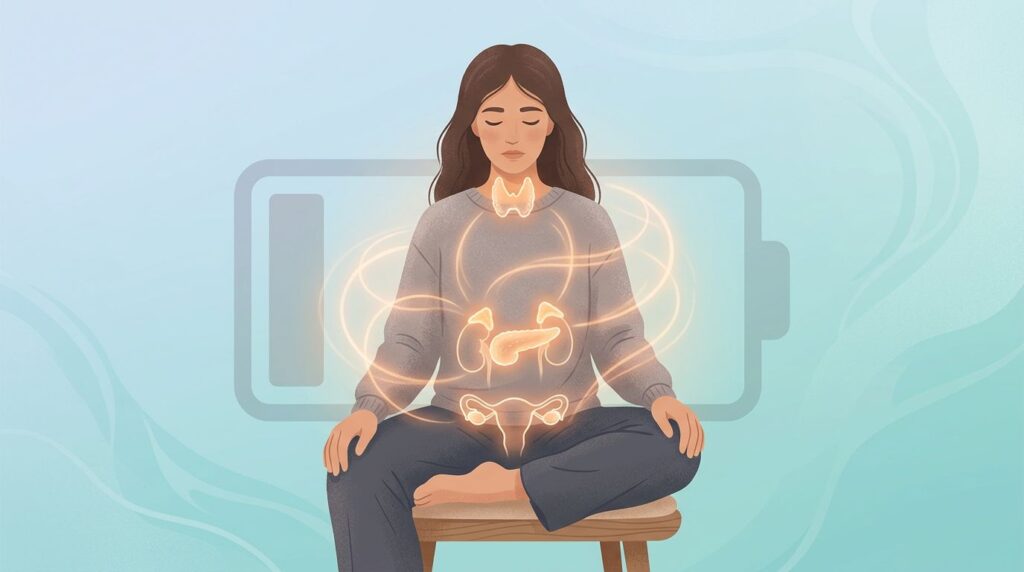
The phrase “adrenal fatigue” gets used a lot. However, Mayo Clinic’s explanation of adrenal fatigue notes that it isn’t an official diagnosis. That doesn’t mean symptoms are fake. It means the cause may be something else, such as poor sleep, chronic stress, depression, thyroid disease, or, less commonly, adrenal insufficiency; this could involve HPA axis dysregulation. Depending on the picture, clinicians may order morning cortisol levels and sometimes ACTH or other follow-up testing.
Insulin and sex hormones can drain energy in quieter ways
Insulin doesn’t get enough attention in fatigue conversations. Yet it plays a huge role in how your cells use fuel. Insulin resistance disrupts blood sugar regulation, which can lead to weight gain around the middle. You may feel sleepy after meals, crave carbs, or notice brain fog. Conditions like polycystic ovary syndrome can also contribute to metabolic-related fatigue through these pathways. Cleveland Clinic’s insulin resistance guide explains why this can build slowly and overlap with other issues.
Reproductive hormones also shape energy, especially during perimenopause and menopause. Estrogen helps with temperature control, sleep, and brain function. Progesterone affects sleep and calm. Testosterone levels, in both women and men, support motivation, muscle, and libido. When these hormones shift, fatigue may feel less like sleepiness and more like a heavy, flat, low-drive exhaustion.
For many women, the problem isn’t one hormone dropping in a straight line. It’s the swing. Estrogen and progesterone can fluctuate sharply in perimenopause, which may lead to night sweats, lighter or heavier periods, irritability, and unrefreshing sleep that disrupts the sleep-wake cycle and impacts serotonin and melatonin. As this perimenopause fatigue overview points out, poor sleep often becomes the bridge between hormone shifts and daytime exhaustion. Clinicians may discuss hormone replacement therapy as one potential path forward.
Low testosterone levels can also play a role, especially when fatigue comes with lower sex drive, reduced strength, or loss of morning drive. Still, those symptoms overlap with sleep loss, depression, and aging, so context matters.
How clinicians sort out overlapping symptoms
Good evaluation starts with your story. When did the fatigue begin? Is it worst in the morning, after meals, or around your period? Are there hot flashes, snoring, dizziness, bowel changes, medication changes, or recent illness?
This quick comparison shows how symptom clusters and testing often line up:
| Pattern | Possible hormone issue | Common hormone bloodwork or evaluation |
|---|---|---|
| Cold, constipated, slowed down | Hypothyroidism | TSH, free T4, sometimes thyroid antibodies |
| Wired at night, drained by day | Stress-related cortisol disruption or sleep issue | Sleep review, morning cortisol in select cases |
| Dizzy, weak, low blood pressure | Low cortisol or another medical problem | Morning cortisol, electrolytes, clinician follow-up |
| Sleepy after meals, sugar cravings | Insulin resistance | Fasting glucose, A1C, sometimes fasting insulin |
| Night sweats, cycle changes, poor sleep | Perimenopause or menopause | History first, then targeted hormone testing if needed |

The big takeaway is simple: hormone bloodwork helps, but it works best when paired with symptoms and history. Many clinicians also check CBC, ferritin, B12, vitamin D, kidney function, liver markers, and sometimes a sleep apnea evaluation, because fatigue often has more than one driver.
Before an appointment, it helps to bring a short record of your symptoms. Keep it simple:
- Note when the fatigue hits and what makes it worse.
- Track sleep, menstrual changes, hot flashes, and post-meal crashes for two weeks.
- Bring a full list of medicines, supplements, and recent health changes.
Persistent fatigue isn’t always “normal aging” or something you should push through. Often, the body is giving a pattern, not a random complaint.
When that pattern points toward hormones, the goal isn’t self-diagnosis. It’s a better conversation with a clinician, and a better chance of finding and treating the hormonal imbalance behind your low energy.
Frequently Asked Questions
Is fatigue always a sign of hormonal problems?
No, fatigue can stem from anemia, depression, infections, sleep apnea, medications, or nutrient gaps. Hormones are a common culprit when tiredness persists despite rest and clusters with symptoms like brain fog, cold intolerance, or cycle changes. A clinician sorts it out with history and tests.
What does thyroid dysfunction feel like in fatigue?
Underactive thyroid (hypothyroidism) often brings heavy tiredness, constipation, dry skin, and feeling cold. Overactive thyroid causes poor sleep, anxiety, muscle weakness, and exhaustion from overdrive. TSH and free T4 tests are typical starting points.
Can insulin resistance cause tiredness?
Yes, insulin resistance disrupts blood sugar, leading to post-meal sleepiness, carb cravings, brain fog, and midsection weight gain. It overlaps with PCOS and builds slowly. Fasting glucose, A1C, or insulin levels help confirm.
How do sex hormone shifts contribute to low energy?
Perimenopause swings in estrogen and progesterone disrupt sleep, cause night sweats, and flatten mood or drive. Low testosterone in men or women reduces motivation and strength. History guides testing; HRT may help some.
Should I get hormone tests right away for fatigue?
Not always—start with your doctor reviewing symptoms, patterns, and basics like CBC, B12, vitamin D. Bloodwork targets likely issues, like morning cortisol for dizziness or TSH for slowdowns. Track details first for a sharper picture.